
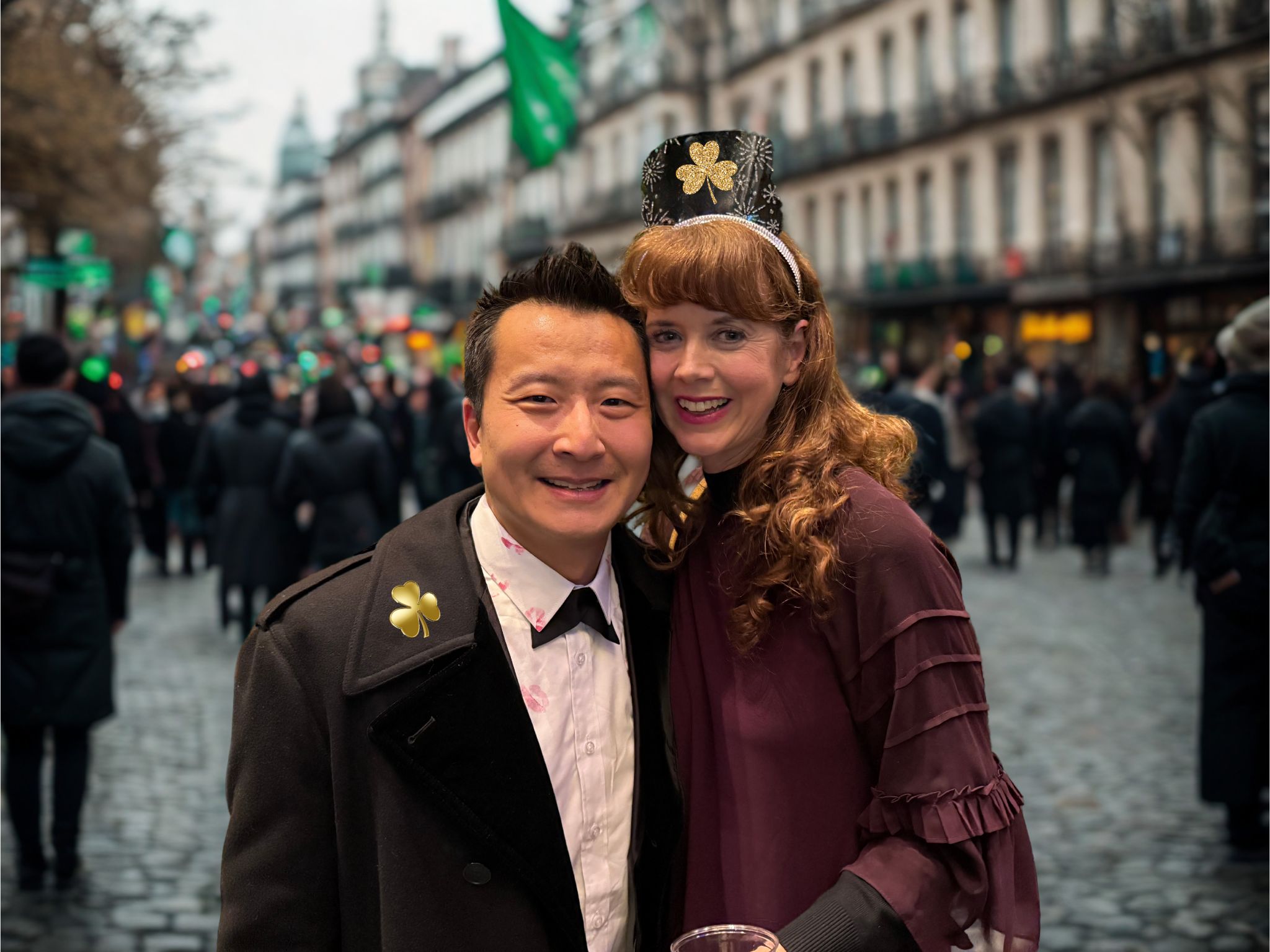
With St. Patrick’s Day right around the corner, we’re reminded of the magic that comes from blending tradition with a bit of audacity—kind of like putting Guinness in your coffee and calling it breakfast. Just as the Irish have mastered the art of music, storytelling, and making you feel guilty for not calling your grandmother more often, we at Holy Names Music Center are embracing the European approach to music education: deeply rooted in culture, yet forward-thinking and dynamic.

At Holy Names Music Center, we’ve been on a journey to redefine what a music school can be—not just a place where notes are played, but a hub of collaboration, innovation, and lifelong learning. Having spent years immersed in the European music education landscape, we’ve seen firsthand how deeply integrated music schools are within their societies. They are not just institutions but living, breathing ecosystems that shape culture, nurture talent, and serve as pillars of community engagement. Now, we’re working to bring those values here, blending the best of European traditions with the unique opportunities of the American landscape.
Music Schools: A Legacy of Learning and Growth
In Europe, music schools come in many forms—French conservatories, German Musikschulen, Austrian Hochschule programs, and, of course, Ireland’s rich tradition of music education. Each reflects the history, traditions, and political landscape of its region. Some schools were born from conservatories, designed to prepare the next generation for higher music education. Others focus on fostering amateur musicianship, providing broad access to the arts regardless of professional aspirations. The underlying mission, however, is the same: music for all.
This is not unlike Holy Names Music Center, which grew out of a college setting and has evolved to serve an ever-diverse student body. We work with those pursuing professional music careers and those who simply want music to be a joyful part of their lives. And increasingly, we find ourselves asking: How can we reach even more young people—especially those who might not otherwise have access to music education?
Expanding Access and Building Community
A common feature of European music schools is their commitment to outreach. They make music accessible to large segments of the population, identifying and nurturing talent while also ensuring that music remains a communal and cultural experience. So how do they do it? By offering structured curricula, employing highly specialized instructors, and embedding themselves in broader educational and community systems.
We believe that American music schools can adopt and adapt these principles. Imagine a model where music schools partner with primary and secondary schools, not just as extracurricular providers but as integral educational allies. Students in general education settings could be exposed to instrumental and vocal studies as a natural extension of their learning experience. This wouldn’t just enhance students’ musical abilities—it would enrich their cognitive skills, discipline, and creativity.
Our **local universities—Whitworth, Eastern Washington University, Gonzaga, and others—**are also essential partners in this vision. Many university music departments are struggling with declining enrollment, yet there is a growing community of recreational musicians who could benefit from structured learning environments. By strengthening these connections, we can create a pipeline that supports students at every stage of their musical development.
Beyond academia, collaboration with community orchestras like Project Joy Orchestra, senior homes, youth centers, and arts institutions can open doors to new opportunities. Music is not meant to exist in silos—it thrives in spaces where it interacts with diverse audiences and needs.
Leadership & The Role of Collaborative Professionalism
In our years of working with music schools, one thing has become abundantly clear: the future of music educationdoesn’t just lie in individual excellence but in collaborative professionalism. Just as a collaborative pianist must be in sync with their partners, music educators, administrators, and students must work together in ways that elevate the entire learning experience.
Collaboration isn’t just a nice idea—it’s a necessary strategy. When educators share knowledge, co-create curricula, and engage with wider communities, they generate new opportunities for students and create a richer, more sustainable educational model. But—and this is key—collaboration must be cultivated. It doesn’t happen in a vacuum or through occasional meetings. It requires an ongoing commitment, a culture of trust, and a willingness to experiment and take risks.
One of the biggest lessons we’ve learned in leadership is that trust is everything. True leadership isn’t about rigid control; it’s about empowering others to bring their best ideas to the table. It means listening actively, fostering open dialogue, and being willing to walk in the shoes of our faculty, students, and partners. Mistakes will happen, and success isn’t always guaranteed—but taking those risks is part of growth. Every great initiative begins with a leap of faith, a shared vision, and the determination to turn challenges into opportunities.
A Vision for the Future
So where do we go from here? At Holy Names, we are committed to expanding our reach, refining our model, and ensuring that music education remains vibrant, accessible, and transformative. We are building partnerships, creating new outreach programs, and rethinking how music schools can serve their communities.
Music education is at a crossroads, but we see it as an opportunity. With the right mindset, the right collaborations, and a relentless commitment to growth, we can redefine what a music school can be. The future of music education belongs to those who dare to reimagine it—and we intend to lead the way.
Let’s continue building something extraordinary—together.
Dr. Archie Chen & Rhona Gouldson-Chen
Co-Executive Directors